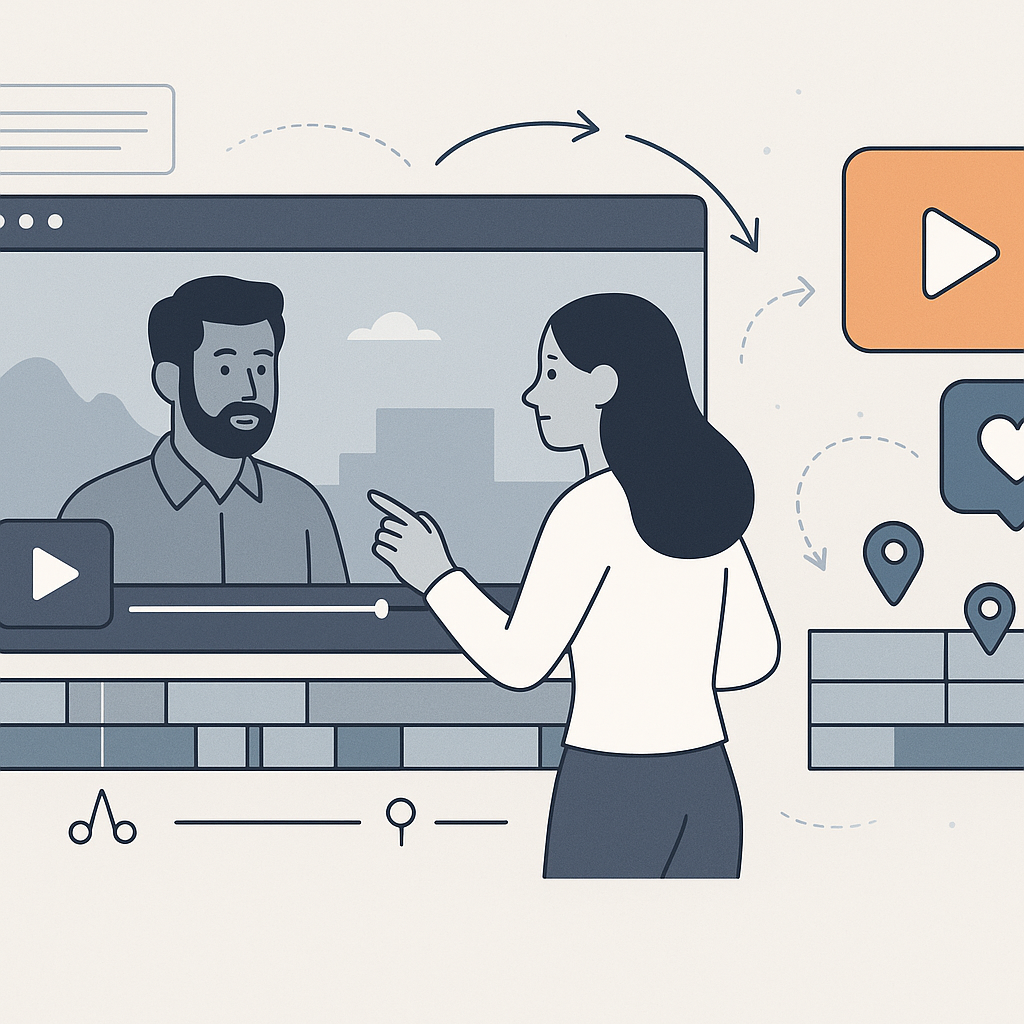
Step-by-Step Process for Repurposing Documentary Footage into Engaging Social Media Content
Repurposing documentary footage for social media enables storytellers and marketers to extend the value of existing content, build new audience relationships, and reinforce brand storytelling. With the growth of digital channels and shifting consumption patterns, organizations and content creators increasingly need strategies to adapt long-form, cinematic material to the attention spans and formats of social networks. This analytical article examines both the strategic underpinnings and practical steps involved in transforming documentary footage into compelling social media assets, offering insight for media professionals, marketers, and documentary filmmakers.
Concept or Background
Documentary filmmaking preserves narratives, records cultural moments, and explores societal themes. Traditionally, documentaries are crafted as long-form visual narratives, intended for cinema, television, or streaming platforms. However, the rise of social platforms—Instagram, TikTok, Facebook, and LinkedIn—demands content that is concise, visually striking, and structured for quick consumption. Repurposing, in this context, refers to taking segments or themes from original documentary footage and re-editing, reformatting, or contextualizing them to fit the technical requirements and consumption behaviors of social media audiences.
This process goes beyond mere trimming. It involves translating the integrity and impact of documentary storytelling into bite-sized forms, while resonating with platform-specific cultures and audience expectations. Key aspects include identifying core messages, maintaining narrative authenticity, and ensuring content accessibility across varying formats such as stories, reels, carousel posts, or microvideos.
Strategic Importance
Effective repurposing of documentary footage serves multiple strategic purposes. First, it extends the lifecycle and reach of original productions, allowing creators to derive additional value and engagement from what would otherwise remain archived. Second, social media adaptations can serve as gateways, enticing new viewers to access the full-length documentary or engage deeper with the subject matter.
From a brand storytelling perspective, this approach reinforces key messages, maintains relevance, and sustains audience connection over time. Organizations that document social impact, historical narratives, or corporate heritage can use repurposed clips to support public relations, recruit supporters, or fuel advocacy. For independent filmmakers and cultural institutions, sharing segments on social media increases discoverability, supports educational outreach, and builds a community invested in ongoing documentary work.
Additionally, data collected from audience engagement on repurposed content provides actionable insights into which themes or narratives resonate most—information that can inform future projects and marketing strategies. Strategically, the process positions the documentary not as a static artifact, but as a living, adaptable form of intellectual property that continues to shape perceptions and conversations across digital ecosystems.
Practical Applications
The step-by-step process for transforming documentary footage into engaging social media content involves several deliberate stages:
- Content Audit and Story Extraction: Begin by reviewing all available footage. Identify moments that convey the essence of the documentary—compelling quotes, pivotal scenes, or visually striking vignettes. The goal is to preserve narrative coherence even in short-form extracts.
- Format Adaptation: Each social platform has specific requirements. For Instagram Stories or TikTok, vertical formats and under-60-second clips work best. LinkedIn may favor subtitled, context-rich versions. Re-edit footage with these parameters in mind, not only resizing but also adapting pacing and transitions to suit shorter attention spans.
- Contextualization: Add captions, on-screen text, or voiceover where necessary to make standalone clips self-explanatory. This helps users who encounter the content without context or with the sound muted.
- Strategic Distribution: Schedule posts based on audience behavior analytics and platform algorithms. Use compelling copy and appropriate hashtags to increase reach. Consider staggered releases to maintain engagement over multiple weeks, creating a serialized effect reminiscent of episodic storytelling.
- Community Engagement: Encourage viewer interaction through calls to action, Q&A prompts, or by linking to deeper resources. Leverage user feedback to refine future content selections and formats.
Several organizations exemplify these practices. For example, international NGOs often break down hour-long documentaries into thematic clips highlighting personal testimonies or frontline work for Instagram and Facebook. Media outlets have also re-edited investigative documentaries into tweetable video threads, each focused on a vital question or scene, which fosters discussion and drives traffic to the longer feature.
Challenges and Limitations
Despite its advantages, repurposing documentary footage for social media presents several challenges. Maintaining narrative integrity and emotional resonance in very short formats is an ongoing balancing act. There is a risk of oversimplification or loss of context when compressing nuanced themes into brief clips, potentially leading to misinterpretation.
Platform-specific technical constraints, such as aspect ratio or duration limits, can affect creative decisions. Simultaneously, copyright and subject consent must be reviewed—footage cleared for feature film use may require separate permissions for digital platforms, especially in global or sensitive contexts.
Edit fatigue can also set in, especially when teams must repeatedly revisit and re-contextualize the same source material. The potential for audience fragmentation poses an additional consideration: different segments may respond more strongly to certain stories, complicating efforts to create unified messaging across channels.
Finally, measuring ROI remains complex. While engagement metrics can suggest reach and resonance, they do not always correlate with deeper objectives, such as shifting public perception or inspiring real-world action.
Conclusion
Repurposing documentary footage for social media is a catalytic practice that extends the cultural and communicative value of documentary storytelling. By carefully identifying, re-crafting, and distributing content tailored to social platforms, filmmakers and organizations can build engaged audiences, enhance advocacy goals, and maximize return on creative investment. Yet the process demands both editorial discipline and strategic sensitivity to maintain integrity, resonate in crowded feeds, and respect the original documentary’s intent. As social media continues to evolve, practitioners who approach this process with thoughtful analytics, creative rigor, and cultural awareness will remain at the forefront of contemporary digital storytelling.