Building a YouTube Marketing Funnel: Tips for Turning Viewers into Loyal Customers
The convergence of online video consumption and digital purchasing decisions has transformed YouTube into a critical asset for marketing strategists and brand storytellers. As the platform grows more saturated with content, turning passive viewers into engaged, loyal customers requires a disciplined approach: the implementation of a structured YouTube marketing funnel. Such a funnel organizes content and engagement tactics to guide prospects, step by step, from initial discovery to brand advocacy. This article explores the concepts, strategies, and practical realities behind building an effective YouTube funnel that converts attention into genuine loyalty.
Concept or Background
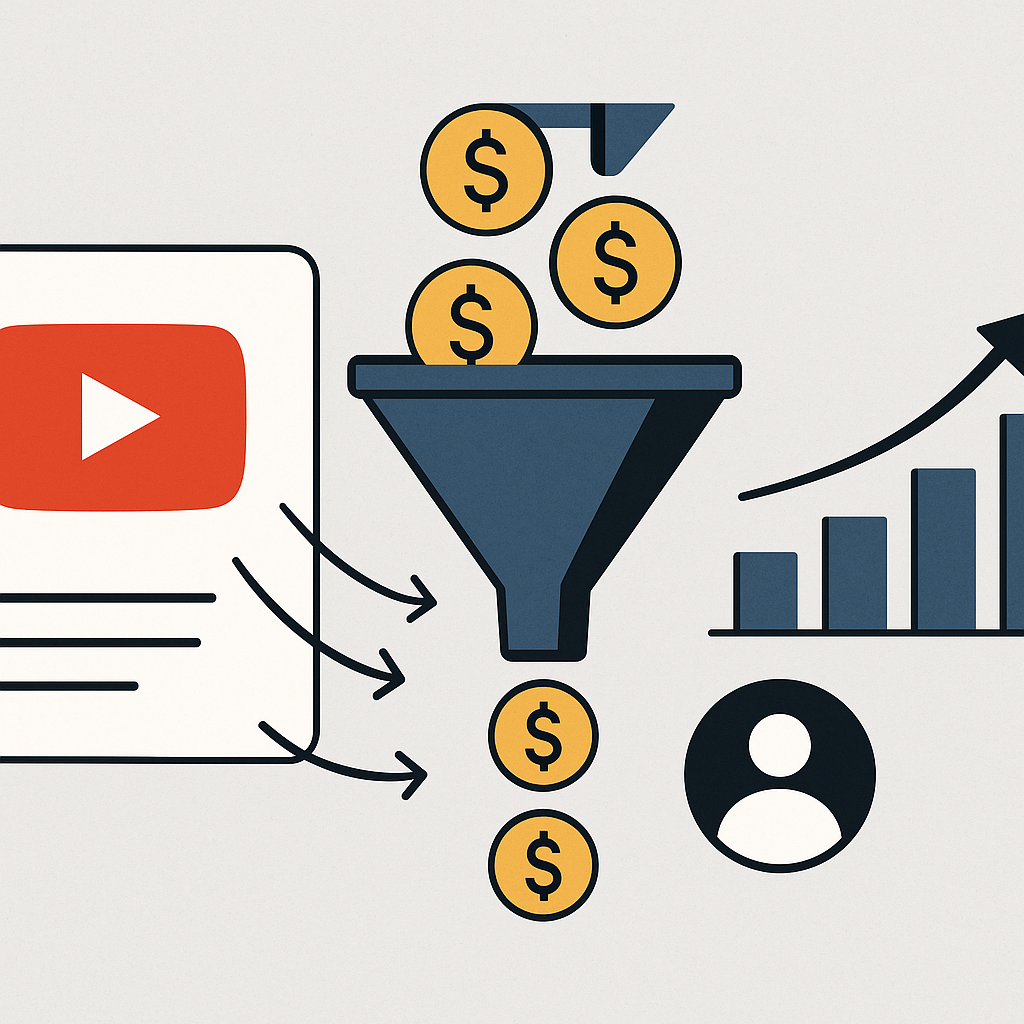
A marketing funnel models the journey prospects take—from their first encounter with a brand to the ultimate goal of conversion and, ideally, loyalty. On YouTube, the funnel leverages video content to shepherd audiences through distinct phases: awareness, consideration, and conversion, followed by retention and advocacy. Each stage is defined by shifting viewer intent and requires tailored content and calls-to-action.
In the context of YouTube, this journey may begin with a broad, high-reach video that sparks awareness, such as storytelling-driven documentaries, tutorials, or thought leadership pieces. As viewers move deeper into the funnel, they encounter more targeted content—demos, case studies, testimonials—that provide richer information and relevance. Finally, conversion is encouraged with actionable videos, such as product walkthroughs or exclusive offers, while retention efforts focus on community-building, personalized content, and interactive formats.
This approach aligns with established marketing principles but reflects the nuances of video engagement. Unlike single-touch campaigns, a YouTube marketing funnel recognizes the extended, multi-step nature of audience decision-making. Conversion is just one stage in an ongoing brand relationship.
Strategic Importance
The strategic value of a YouTube marketing funnel lies in its ability to segment audiences, nurture relationships, and drive measurable business results. YouTube ranks as one of the world’s leading search engines and social discovery platforms. Its unique mix of search intent and serendipitous discovery places it at the crossroads of inbound and outbound marketing.
A structured funnel approach enables brands to move beyond vanity metrics such as view counts or subscriber numbers. Instead, KPIs shift toward engagement rate, watch time, click-through rate (CTR), and ultimately, customer lifetime value. Segmenting content according to funnel stages allows for detailed tracking and optimization. For example, upper-funnel videos may prioritize reach and brand recall, while mid-funnel content is measured by engagement and conversion intent.
Moreover, YouTube’s video analytics, comment sections, and built-in features (such as end screens and cards) provide actionable insights for refining funnel strategies. This granularity supports iterative improvement, ensuring that tactics remain aligned with audience behavior and evolving brand goals.
Practical Applications
Real-world application of the YouTube marketing funnel combines creative content strategy with data-driven optimization. For instance, a direct-to-consumer brand specializing in sustainable apparel may launch a series of short documentaries exploring ethical fashion’s impact (awareness). These videos, optimized for relevant keywords and designed to elicit emotional responses, attract new viewers interested in sustainability.
To nurture this interest, the brand can follow up with behind-the-scenes development stories, Q&A sessions with designers, and customer testimonial reels that highlight unique product attributes (consideration). Each video includes clear calls-to-action, such as links to the online shop or invitations to join a community newsletter.
For conversion, the brand deploys detailed product showcases, limited-time offer announcements, and influencer collaborations featuring practical demonstrations. These videos are paired with tracking links and landing pages, allowing attribution of sales to specific videos.
Post-conversion, maintaining loyalty involves community updates, user-generated content spotlights, and exclusive first-looks or discounts for channel members. This sustains engagement, encourages repeat purchases, and fuels advocacy—viewers become active promoters by sharing content and participating in community activities.
Notably, major brands and YouTube-native creators alike employ this approach. For example, tech companies often launch product explainer series for awareness, unboxing or comparison videos for consideration, and direct purchase links for conversion. Ongoing customer tips, live streams, and response videos foster post-sale engagement.
Challenges and Limitations
Despite its advantages, the YouTube marketing funnel is not without obstacles. The platform’s algorithm favors engagement and watch time, but these metrics may not always align directly with conversion goals. High-frequency posting, designed to appease the algorithm, can sometimes dilute content quality or overwhelm audiences.
Measuring attribution is another challenge. A single conversion may result from several touchpoints along a viewer’s journey, making precise ROI calculations complex. Cross-channel attribution—tracing influence from YouTube to an off-platform purchase—requires advanced analytics integration and disciplined tagging protocols.
Content fatigue is a real risk. Overexposure to commercial messages or repetitive calls-to-action can erode viewer trust. Balancing informative, entertaining storytelling with promotional intent is a nuanced task that requires sensitivity to viewer preferences and deep understanding of narrative pacing.
Finally, building trust and loyalty is a long-term endeavor. Short-term tactics may yield quick wins, but sustainable loyalty depends on consistent value delivery, authenticity, and genuine interaction with the audience.
Conclusion
A disciplined YouTube marketing funnel transforms the traditional view of video marketing as a top-of-funnel, awareness-only activity. By mapping content, analytics, and engagement to each phase of the customer journey, marketers can guide viewers from discovery to lasting brand loyalty. While there are strategic and operational challenges—particularly around attribution and audience fatigue—a thoughtful, audience-first approach can unlock deep, sustainable value. As online video consumption continues to evolve, marketers who build resilient, empathic, and data-driven funnel strategies are best placed to turn viewers into dedicated customers and lifelong brand ambassadors.