How to Align Your Documentary Marketing with SEO to Improve Organic Reach
In the growing world of digital storytelling, documentary filmmakers face a unique challenge: ensuring that vital stories, which often serve as powerful engines for social change, reach the audiences they deserve. With the proliferation of content online, simply making a great documentary is not enough. Aligning marketing efforts with sound SEO (search engine optimization) principles can significantly expand organic reach, connect with new viewers, and drive meaningful long-term engagement. Understanding the intersection of documentary marketing and SEO is vital for filmmakers, producers, and cultural organizations seeking sustained visibility.
Concept or Background
Documentary marketing refers to the process of promoting non-fiction films to targeted audiences through strategies that build interest and drive viewership. Traditionally, documentary promotion has relied on film festivals, broadcaster relationships, press coverage, and grassroots campaigns. However, as audiences increasingly discover content online, SEO has become integral to capturing organic attention.
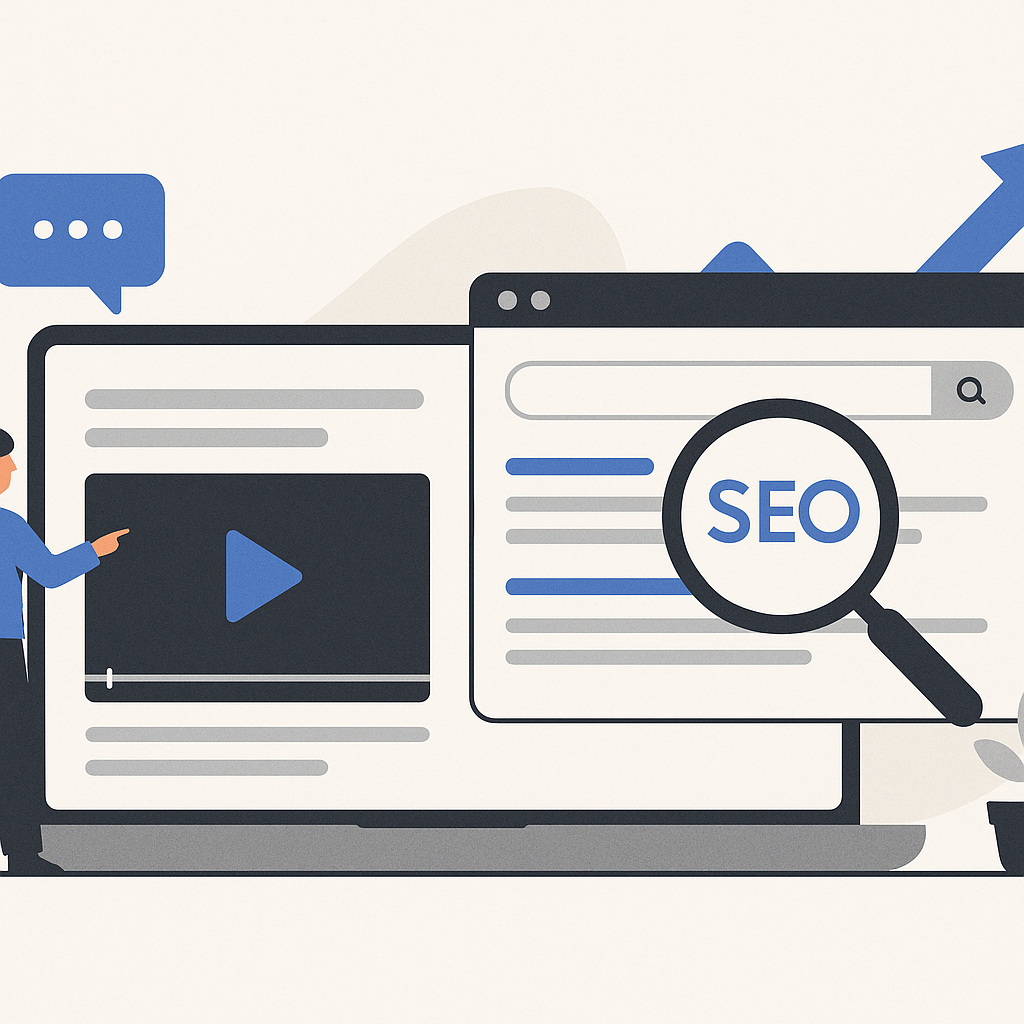
SEO, at its core, is about improving the visibility of content in search engine results pages. Its application to documentary marketing entails optimizing digital assets—such as websites, trailers, blog content, and media kits—so that they are more easily found by both search engines and potential viewers. This approach goes beyond merely using keywords; it involves intentional digital storytelling designed to intersect user search intent, thematic relevance, and algorithmic discoverability.
Strategic Importance
Aligning documentary marketing with SEO is strategically important for several reasons. First, organic search remains one of the most consistent sources of traffic for independent films and documentary projects, often outperforming paid campaigns in the long-term cost-benefit analysis. When documentary websites, official trailers, and related editorial content rank well in search results, these assets benefit from a steady stream of interested viewers without incurring ongoing advertising costs.
Second, effective SEO helps bridge the gap between niche documentary topics and broader public interest. For example, projects about little-known historical events or underrepresented communities can become discoverable through targeted keyword strategies and thematic topic clusters. This democratizes access and allows filmmakers to reach audiences motivated by curiosity, advocacy, education, or personal connection—many of whom may not have encountered the documentary through traditional marketing channels.
Finally, SEO alignment amplifies the impact of earned media, festival coverage, and critical reviews by weaving them into a cohesive digital presence. Enriching official documentary websites and related platforms with structured data, metadata, and relevant internal and external links creates a foundation for authority, giving the project a lasting digital footprint.
Practical Applications
The synthesis of documentary marketing and SEO manifests in several practical ways. At the core, it begins with a clear understanding of the documentary’s themes, audience personas, and the language those audiences use when searching for related content.
For instance, consider a documentary focusing on climate change in coastal communities. Keyword research might reveal that terms like “sea level rise documentary,” “climate adaptation stories,” or “coastal resilience films” have significant search volume. By integrating these semantic phrases throughout the official website, press releases, trailer descriptions, and educational resources, filmmakers enhance the project’s relevance to user queries.
Content architecture matters as well. Crafting in-depth landing pages for major themes, embedding FAQ sections that answer common questions, and producing blog posts that contextualize the film’s subject help index the documentary for a range of related searches. Embedding video trailers optimized with transcript-based captions and robust metadata improves both accessibility and search visibility, as search engines increasingly prioritize multimedia content.
Collaboration also plays a role. Partnering with advocacy groups, educational platforms, and respected bloggers to generate backlinks raises the authority of the documentary’s digital presence, further boosting organic rank. Strategic use of structured data—such as schema.org markup for film details, events, and reviews—enhances search listings with rich snippets, making documentary listings more appealing and informative in search results.
Case insights demonstrate these strategies in action. The campaign for the documentary “13th,” for example, leveraged a highly optimized microsite with topical resources, educational guides, and shareable infographics to sustain dialogue long after its initial release. By targeting searches related to criminal justice reform and civil rights history, the film maintained organic relevance beyond its festival premiere and streaming debut.
Challenges and Limitations
While the alignment of documentary marketing and SEO offers clear advantages, several challenges exist. Many documentary teams have limited budgets and may lack in-house digital marketing expertise. The ever-evolving nature of search algorithms requires ongoing attention; what works for ranking today may become obsolete with future updates.
Another limitation lies in the competitive landscape. Popular documentary topics—such as climate change or social justice—can be saturated, making it difficult to stand out purely through general keyword targeting. In these cases, long-tail keywords and hyper-targeted content clusters become essential, though they may yield smaller audiences in absolute terms.
Moreover, balancing SEO optimization with authentic storytelling can be delicate. Overuse of keywords or generic content designed solely for search engines risks diluting the unique narrative voice and undermining the film’s artistic integrity. There is also the risk of marginalizing smaller stories that lack broad keyword interest, resulting in an uneven playing field.
Finally, SEO is a long-term strategy. Unlike paid advertising or buzz from a festival win, organic search gains accumulate over months or years. Filmmakers must be prepared for a sustained investment in content updates, technical maintenance, and continuous refinement of messaging to stay relevant.
Conclusion
For documentary projects seeking deeper engagement and lasting visibility, integrating documentary marketing with SEO best practices constitutes a resilient, future-proof strategy. This approach requires a blend of creativity, technical insight, and audience empathy. By methodically optimizing online storytelling, filmmakers and producers can connect their work to the diverse audiences who care most deeply about these compelling—and often urgent—topics. In a digital era where discoverability shapes impact, informed SEO alignment is no longer optional for documentary success, but a strategic necessity.